Build a routine around conditions
A fixed calendar can help you remember work, but it cannot describe every season or climate. Leaf fall, prolonged dryness, vigorous growth and strong winds happen at different times in different regions. Set a baseline inspection routine with local advice, then add checks after events that noticeably change the property. Work only when conditions are safe.
Keep the route consistent: entrance and access, outer vegetation, planting transitions, immediate building surroundings, then visible roof and deck details. This order makes the job repeatable and reduces the chance of overlooking awkward corners. An inspection can be brief if it focuses on changes. It should not become an invitation to climb, enter unstable areas or handle hazardous materials.
Record changes rather than collecting paperwork
Use a short log with the inspection date, conditions, observations, action taken and unresolved questions. Photograph the same few viewpoints so growth and accumulation are easier to compare. Store records in a format you can find later. A complicated system that is abandoned after one season is less useful than a simple notebook that stays current.
Separate completed work from recommended work. “Debris cleared from accessible path edge” is different from “roof gutter needs a contractor.” Assign responsibility and, where appropriate, a follow-up date. If you rent, manage a shared space or depend on a service provider, make clear which tasks need the owner's permission and which are covered by an existing agreement.
Expect vegetation to change its role
Newly installed plants can leave generous gaps that disappear as they mature. Irrigation can fail, disease can create dead material, and pruning can stimulate dense regrowth. Review mature form as well as current appearance. If a plant repeatedly conflicts with the intended separation or access, replacement may be more workable than indefinite corrective pruning.
Ask a qualified local practitioner about pruning timing, tree condition and habitat constraints. Do not undertake major tree work on the strength of a generic checklist. Protected species, nesting wildlife and tree-preservation rules can affect what is permissible. Where drought or restrictions limit irrigation, adjust the design to realistic water availability instead of assuming additional watering will solve fire exposure.
Make debris disposal part of the task
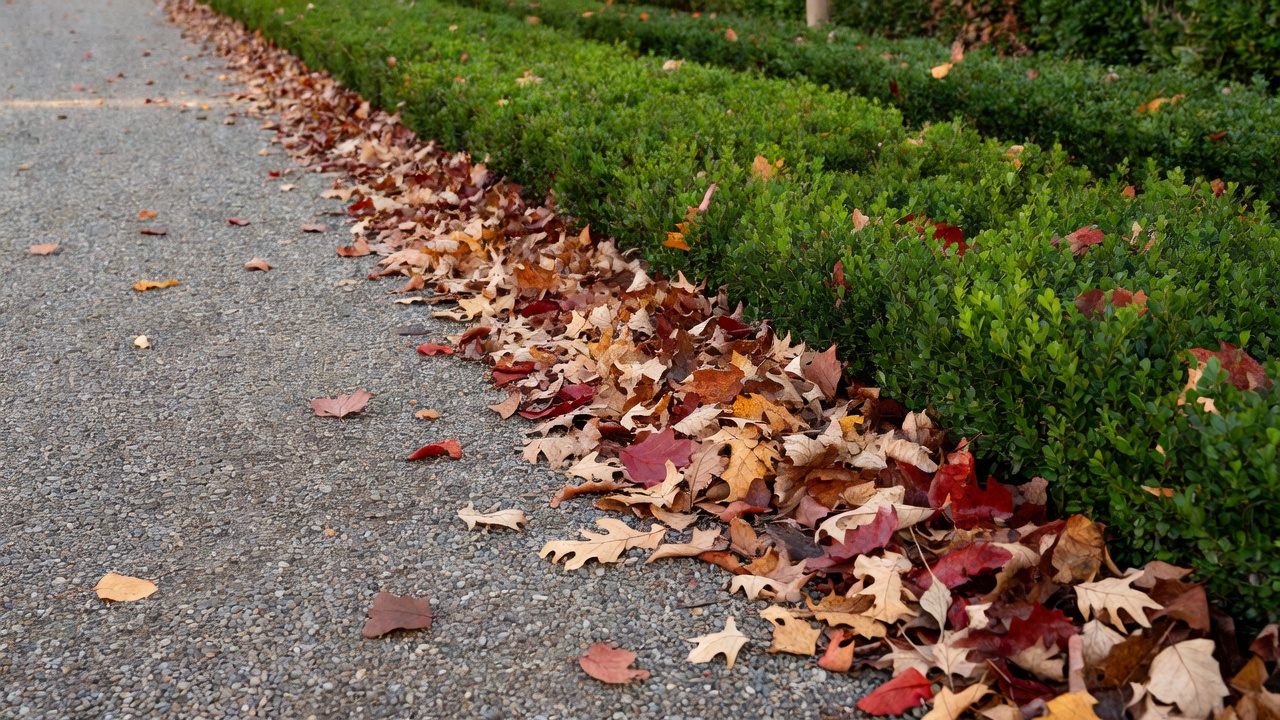
Cut vegetation has not stopped being fuel. Decide where it will go before beginning work, and avoid leaving piles near buildings, access routes or neighboring property. Use permitted collection, composting or processing arrangements appropriate to the material and location. Check local rules before moving plant material that may carry pests or invasive seeds.
Burning is not a default disposal method. Permits, seasonal bans, weather conditions and local restrictions may prohibit it, and escaped burns can cause serious harm. Powered equipment can also be restricted during high fire danger. Follow current authority advice about tools, mowing and working conditions; postponing a task can be the safer choice.
| Trigger | Review | Important limit |
|---|---|---|
| Before the locally recognized fire season | Access, growth, debris traps and outstanding contractor work | Season timing and legal duties vary. |
| After strong winds, when safe | New debris, damaged vegetation and blocked paths | Avoid damaged trees and fallen power lines. |
| During prolonged dry conditions | Plant stress, dead material and irrigation faults | Respect restrictions and equipment bans. |
| After alterations or occupancy changes | New storage, furniture, planting and maintenance responsibilities | Recheck permissions and building requirements. |
Design for reduced capacity
Illness, travel, cost and changing mobility can interrupt a routine. Identify the tasks that would become difficult first and simplify those details. Choose accessible inspection points, avoid narrow debris traps and make intended clear areas obvious to whoever takes over. A short annotated plan can prevent a contractor from filling a deliberate interruption with mulch or shrubs.
Where professional help is needed, describe the objective rather than asking only for a tidy finish. Explain the connections you are trying to interrupt and the features that must remain accessible. Request that removed material be dealt with as agreed. Inspect the result from the ground and record anything that still needs a specialist response.
Keep emergency decisions outside the maintenance list
A maintenance plan is not an instruction to remain at the property during a fire. When warnings or dangerous conditions arise, follow official advice and your household evacuation plan. Do not delay departure to clean gutters, move heavy furniture or complete overdue pruning. Property preparation should happen in advance, not compete with personal safety.
At the end of each season, review what repeatedly failed. If the same edge collects debris or the same plant needs urgent intervention, treat that as evidence for redesign. The most useful landscape is not the one that looks complete on installation day. It is the one whose intended relationships remain understandable and maintainable over time, while acknowledging that wildfire risk remains.
Evidence to consult
- Country Fire Authority, Victoria — local preparation and fire restrictions.
- Department of Fire and Emergency Services, Western Australia — bushfire preparedness and local context.
- RSPB — wildlife-aware garden management; check applicable local wildlife law.
- Forestry England — wildfire awareness and responsible activity around woodland.